A New VFX Workflow by Corridor Crew
Automating the "Boring" Aspects of VFX
The production of "Son of a Dungeon" Season 3 faced a significant logistical challenge: scaling visual effects (VFX) from 250 shots in previous seasons to over 400 shots, while maintaining a lean, creative environment. Traditional virtual production methods, reliant on heavy hardware, manual lighting setups, and tedious manual keying, proved too inefficient, threatening to consume a third of the total filming time.
To overcome these hurdles, a new workflow was developed that leverages AI-driven tools and a custom Unreal Engine plugin. This system "frees" the production from three primary constraints: restrictive camera hardware, manual lighting, and traditional green screen keying. By integrating tools such as Switch Light, Corridor Key, and Jete, the team reduced the time required for a standard shot by 75% (from 45 minutes to 12 minutes). The resulting pipeline allows 2D footage to exist as a reactive 3D object within Unreal Engine, skipping the compositing phase entirely and enabling the completion of hundreds of cinematic shots in just two months.
The Challenges of Scaling Ambition
The transition into the third season of "Son of a Dungeon" represented the largest project ever undertaken by the production team. Increasing the volume of action and expanding the virtual worlds necessitated a massive increase in VFX work.
The Inefficiency of Traditional Methods
Previous seasons utilized standard virtual production setups involving trackers, synced PCs, and extensive cabling. These systems were prone to signal loss and technical failures. The team identified three specific "fun-killers" that required total replacement:
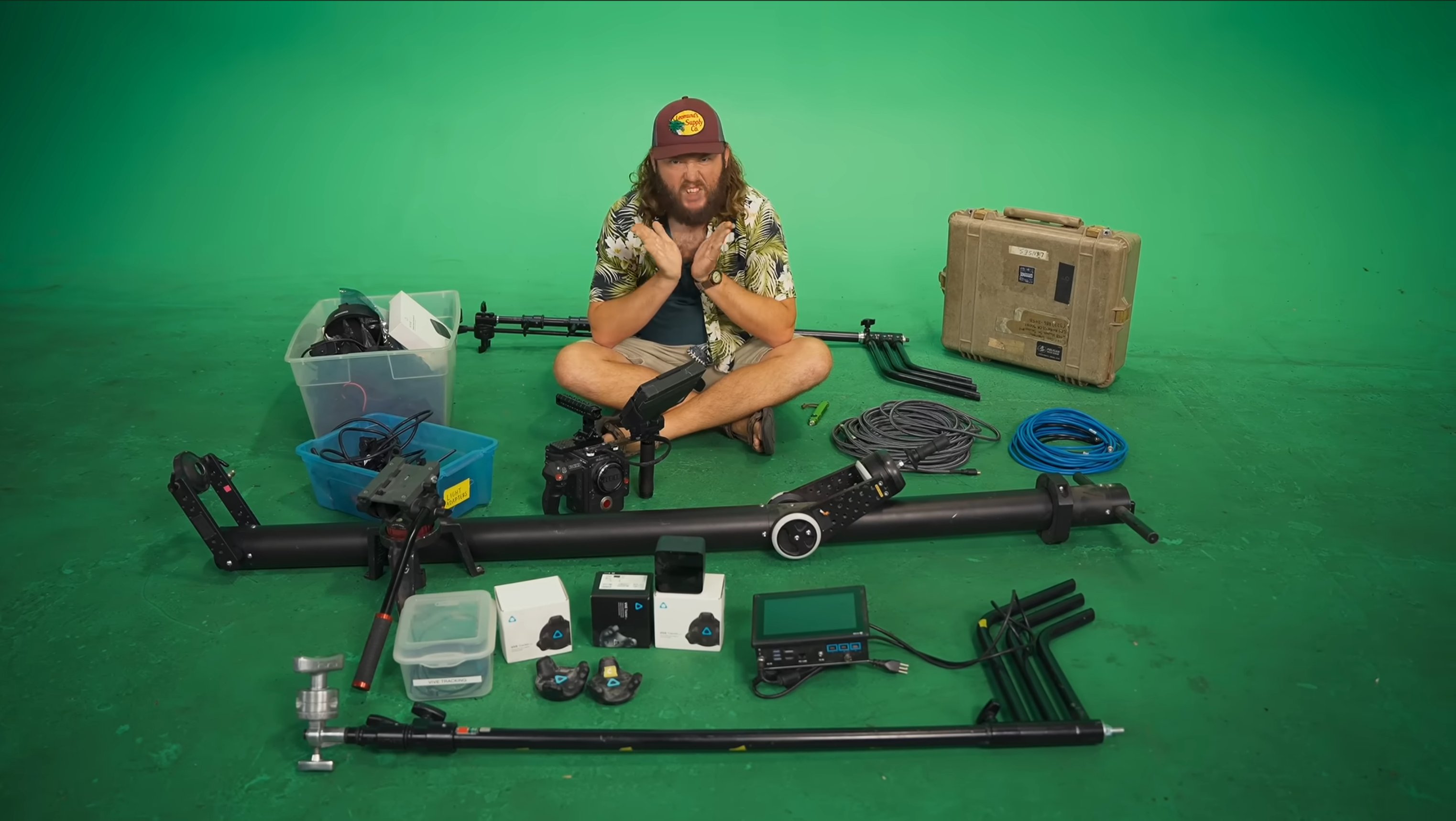
- Manual Lighting: Setting up artificial lights to match virtual environments for 400 shots was estimated to take 33 hours of purely moving light stands.
- Tedious Keying: Traditional green screen removal is often ruined by reflective surfaces (swords, shields) or requires meticulous rotoscoping to preserve detail.
- Restrictive Camera Movement: Bulky tracking hardware like the Vive Mars limited dynamic motion and required high-contrast tracking markers that further complicated the keying process.
Technical Innovations and Integrated Tools
The breakthrough in the production workflow came from synthesizing specialized AI tools into a single, unified pipeline within Unreal Engine.
Switch Light and PBR Mapping
To eliminate the need for manual on-set lighting, the team adopted Switch Light (developed by Biv).
- Technology: Switch Light uses Physically Based Rendering (PBR) maps. It was trained on a "light stage"—a dome of 300 lights that captures the lighting characteristics of objects and humans from every angle.
- Functionality: This allows 2D footage to react to virtual light sources as if it were a 3D model. Lighting can be changed entirely after the footage is filmed, ensuring the actor always matches the virtual environment.
AI-Driven Keying and Tracking

The team replaced manual labor with automated, high-volume solutions:
- Corridor Key: An AI-based keying tool capable of processing 28 to 30 perfect-quality shots per day, handling the volume of 400 shots efficiently.
- Jete and iPhone Integration: Rather than using external trackers, the team utilized the LiDAR and sensors within an iPhone. This provides 3D tracking data and computes the actor's depth in real-time without the need for tracking markers on the green screen.
The Unified Unreal Engine Plugin
The most critical component is a custom plugin developed in collaboration with Biv and District Cinema. This plugin bridges the gap between Switch Light and Unreal Engine.
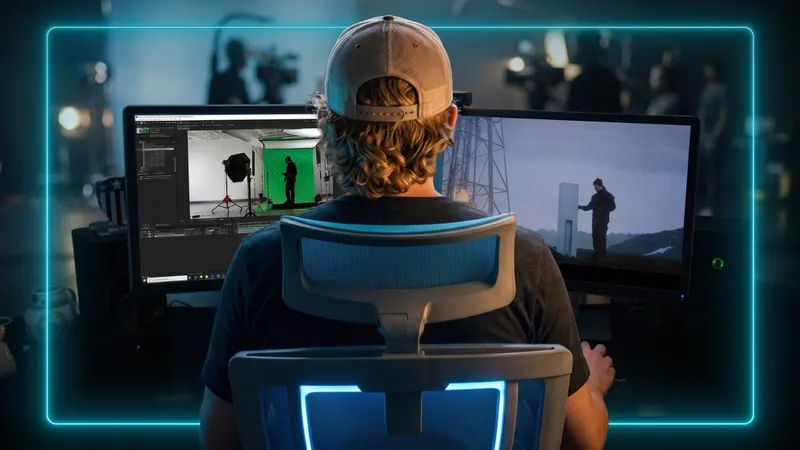
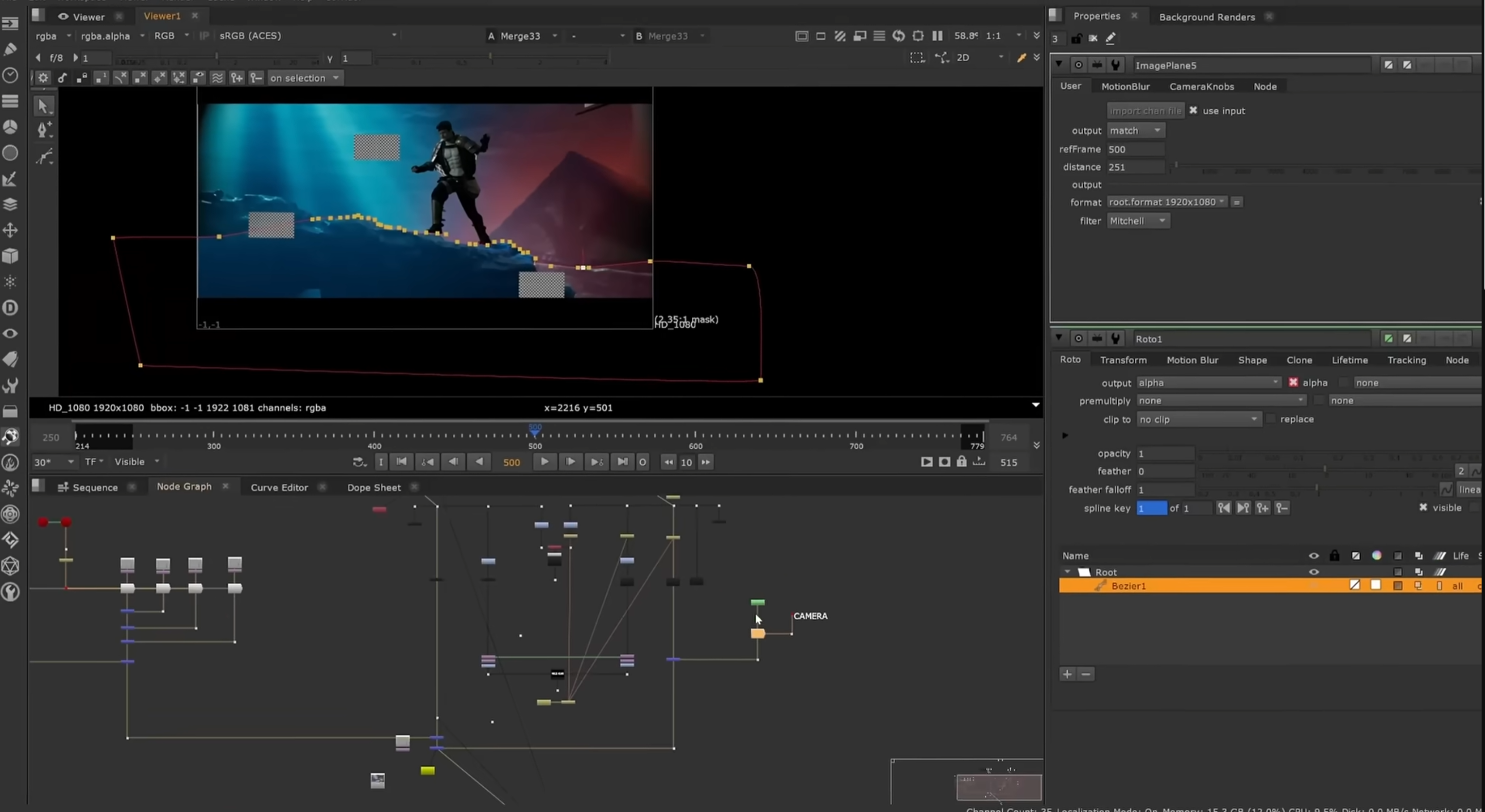
- Elimination of Compositing: The workflow removes the need for external software like After Effects. There is no longer a separate "foreground" and "background."
- Direct Rendering: The footage lives inside the 3D world, receiving light from the scene. When the user hits "render," the final composite is generated immediately.
Impact and Efficiency Analysis
The implementation of this new workflow resulted in a drastic improvement in both production speed and visual fidelity.
Visual and Creative Outcomes
The new process enables a cinematic aesthetic that mirrors the look of high-end video games. Key visual benefits include:
- Enhanced Environmental Integration: Actors feel "embedded" in the virtual space due to accurate edge lighting and focus pulls.
- Creative Freedom: The removal of physical trackers allows for more dynamic camera movements, such as running shots and complex angles.
- Stylistic Unity: The workflow successfully merges the look of physical miniatures with a video game aesthetic, appropriate for the "Dungeons and Dragons" theme of the show.
Conclusion
By automating the "boring" aspects of VFX, specifically lighting, tracking, and keying, the production team has reclaimed the "scrappy energy" of filmmaking. The ability to render approximately one-third of 400 total shots within a two-month window demonstrates that AI-integrated workflows are not just a tool for efficiency, but a fundamental shift in how complex digital stories can be produced by smaller studios. Watch Here: